1819-1886
Born around 1819, Darby Willis began life in bondage, arriving in Alabama in 1832 as an enslaved carriage driver for Captain Reuben Vaughan Jr.’s family. From the seat of that carriage, Darby observed a world of inequality—but also dreamed of a future shaped by faith, family, land, and education.
Despite the confines of slavery, Darby married Margaret Todd, a skilled housekeeper and seamstress. Together, they raised thirteen children—each baptized, nurtured, and inspired by their parents’ deep faith and resilience.
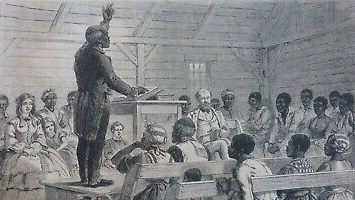
After emancipation, Darby achieved what once seemed unimaginable: in 1865, he purchased 500 acres of land in Hale County, Alabama—a profound act of independence. But he didn’t stop there. In 1867, Darby founded New Bethlehem Missionary Baptist Church and Oak Grove Baptist Church, serving as pastor of the latter until his death.
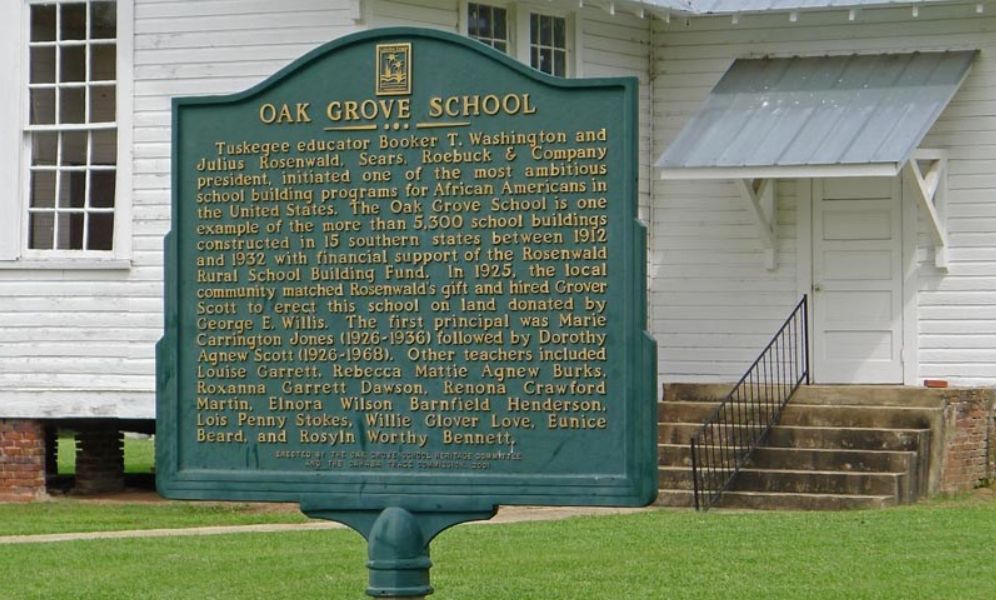
He believed education was the cornerstone of freedom. A year before his passing in 1885, Darby deeded land to ensure Oak Grove Church would forever serve as a place of worship and learning. His son, George Edward Willis, later donated additional land to build the Oak Grove Rosenwald School, now a National Historic Landmark.
Though Darby died under tragic circumstances—possibly murdered, though officially said to have fallen from a horse—his legacy has never faded. His funeral drew an unprecedented crowd, a testament to the respect he commanded in the community.
Today, the values Darby championed—faith, education, perseverance—live on in his descendants: ministers, doctors, teachers, architects, and more. In 1993, Alabama formally recognized his impact by declaring July 18th as “Darby Willis Day.” His story, memorialized by a pen-and-ink portrait in the sanctuary he founded, continues to inspire generations.