1807 – 1873
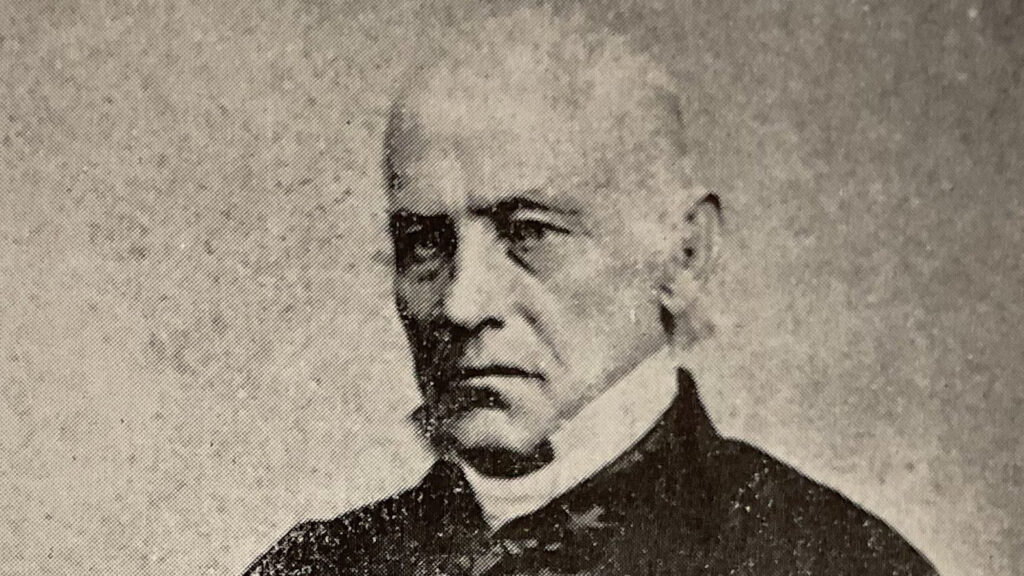
Born on March 28, 1807, in Durham, Maryland, Francis R. Hanson dedicated his life to the church and became a defining figure in the early Episcopal Church in Alabama. Educated at the Theological Seminary of the Diocese of Virginia, he was ordained a deacon in 1833 and a priest in 1834.
Early in his ministry, Rev. Hanson volunteered as one of the first Episcopal missionaries to China, freeing his slaves before embarking. Departing from New York in 1835 alongside Rev. Henry Lockwood, the two were instructed by Bishop William White to serve not in competition with other denominations, but in unity. Although their original destination was Canton, they were advised to relocate to Batavia (modern-day Jakarta), where a significant Chinese population lived, in order to master the language. Eventually, the tropical climate took a toll on Rev. Hanson’s health, forcing his return to the United States in 1838.
That same year, Rev. Hanson arrived in Alabama’s fertile Canebrake region. For the next 35 years, he would become a steadfast presence, ministering first at St. John’s-in-the-Prairies, and then serving at both Trinity Church in Demopolis and St. Andrew’s Episcopal Church, Macon (Prairieville). During the yellow fever epidemic of 1853, while the disease devastated New Orleans, Mobile, and other Southern cities, Rev. Hanson served selflessly in Demopolis, attending the sick and dying.
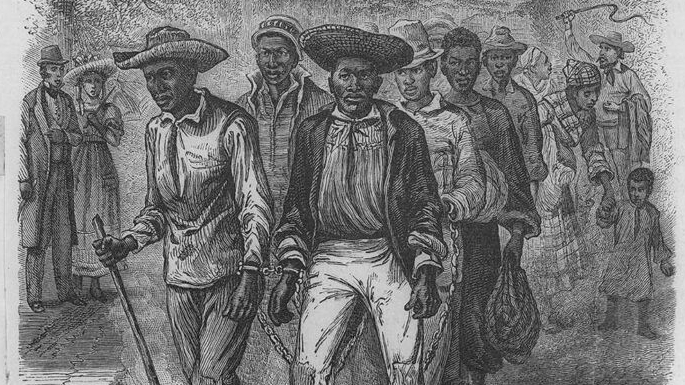
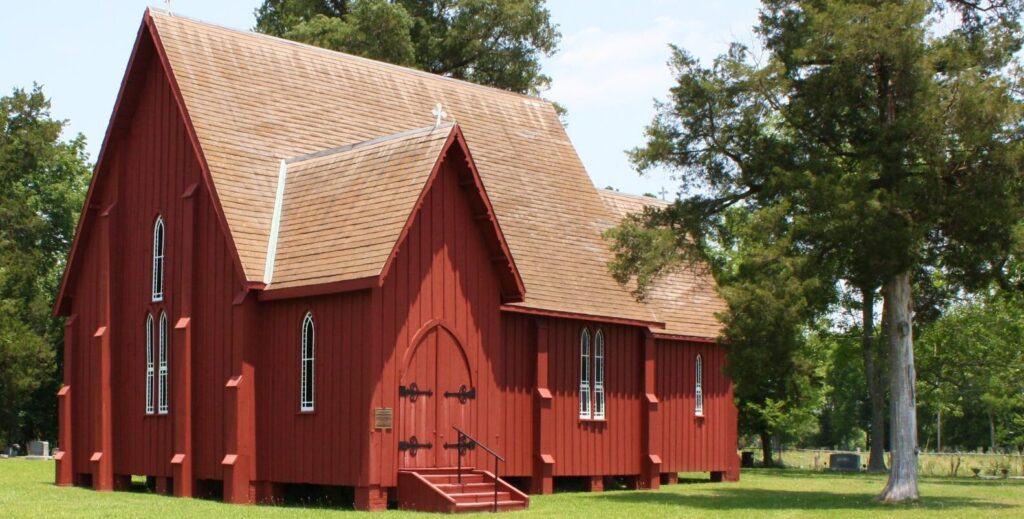
At St. Andrew’s, prior to the emancipation of slaves, Rev. Hanson served two congregations: the local plantation owners would worship in the morning and the enslaved would worship in the afternoon. In addition, he often visited the local plantations offering worship for the enslaved as well as attending to their pastoral needs.
During his tenure in Alabama Rev. Hanson kept a journal in which he detailed his work in the community and reflected on the events taking place around him. In his writings he referred to enslaved people as servants and documented visits and services among them. While he never questioned the injustice of slavery in his journal, his entries show that he had a respect for the servants and a dedication to be a pastor to them.
Rev. Hanson left a lasting impression—dignified, intelligent, and deeply respected, he was a sought-after presence at local gatherings and known for his wit and quiet compassion. He never married nor had a home of his own but resided first at the home of Henry Augustine Tayloe and later with Dr. H.W. Reese at “Forrest Hill.”
After the Civil War, while touring Northern dioceses to raise funds to rebuild Trinity Church, then in ruins, Rev. Hanson was offered a well-supported parish in the North. To his credit, he declined, saying, “The people of Alabama shared with me their prosperity, and now I will share with them their adversity.”
In 1873, while attending the triennial General Convention of the Episcopal Church in Baltimore, Rev. Hanson died suddenly in the parlor of his host, Rev. John Gholson. He had returned to the state of his birth, but his heart and legacy remained in Alabama.
Today, a bronze tablet in St. Andrew’s Church honors the memory of this devoted rector—placed by the women of the parish, led by Mrs. Ivey F. Lewis—as a lasting tribute to a life of unwavering service, humility, and faith.