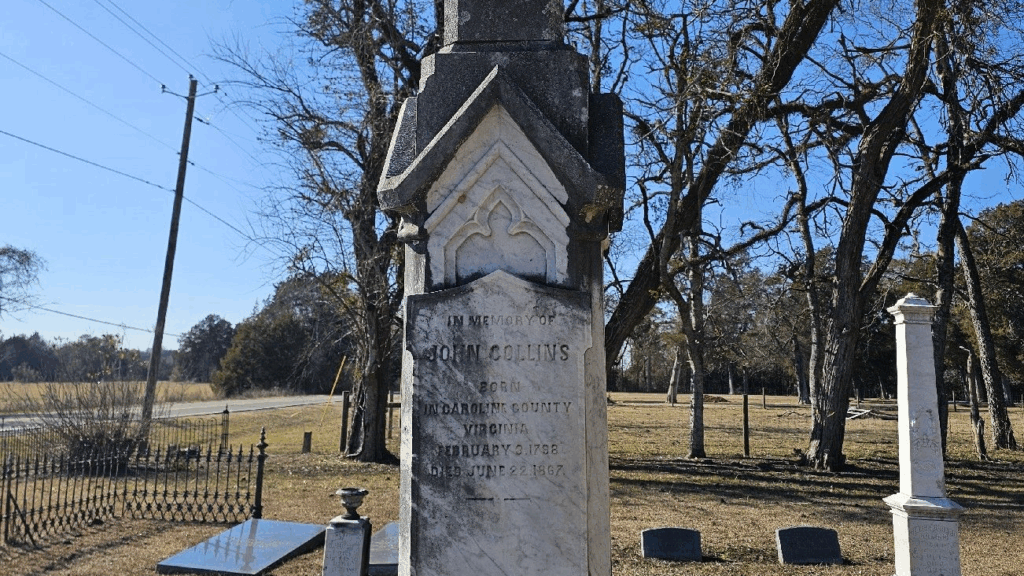
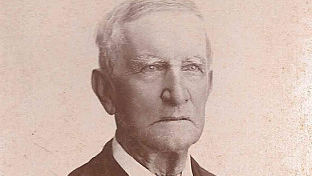
Founded in 1861, Freetown began as a bold experiment in freedom and self-determination. More than 100 acres of land were willed to a group of formerly enslaved African American men and women by John Collins, a local planter. Among the original settlers were William, John, Albert, George, Richard, and Peter Collins; Susan and Lawrence Moore; Thomas Jeffries and his children; and Louisa Conway with her children.
These pioneers—some once enslaved, some born free—built a self-sustaining and vibrant community. Many were skilled artisans, including master masons and carpenters like Peter Lee and Joe Glasgow, who helped construct the historic St. Andrew’s Episcopal Church in Gallion. Freetown residents also helped organize Bethlehem Baptist Church in 1867, cementing faith as a cornerstone of their new lives.
By the 1920s, Freetown flourished as part of Allenville. Brown’s General Store, established around 1910, became a vital commercial and social hub. Women from the community were among the first educators in the region’s African American schools, and several children pursued boarding education at Selma University.
After World War II, many descendants of Freetown joined the Great Migration, seeking new opportunities in cities across the country. Still, their deep roots and enduring connection to this historic community remain.
Freetown is more than a place—it’s a testament to resilience, craftsmanship, and legacy.