1808–1903
Born at The Octagon House in Washington, D.C., Henry Augustine Tayloe was the son of prominent planter John Tayloe III. Raised in one of the wealthiest and most politically connected families in Virginia, Henry studied at the University of Virginia after declining a nomination to West Point at the advice of Secretary of War John C. Calhoun, who encouraged such opportunities be reserved for those of less financial means.
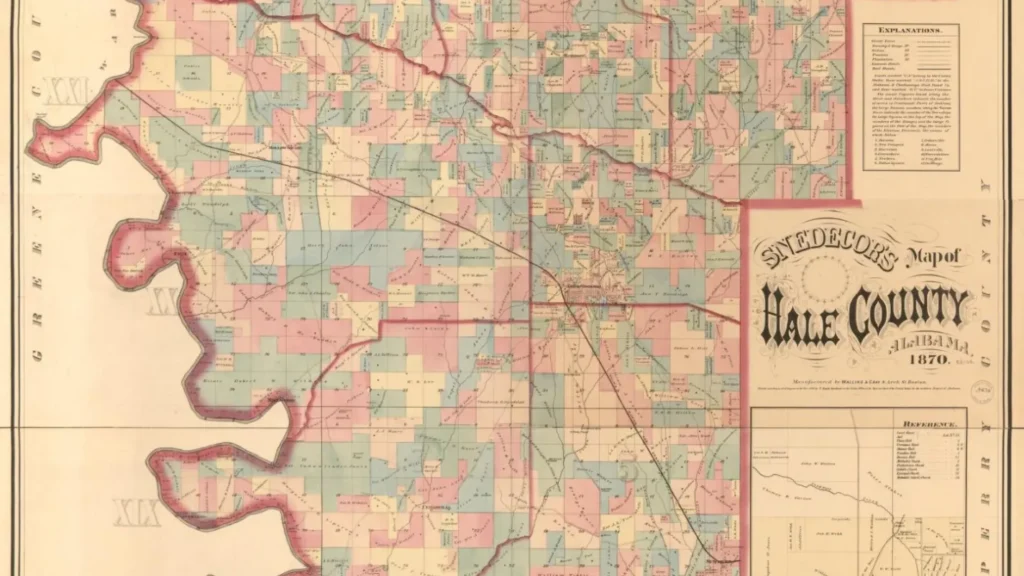
After a period managing family properties in Maryland, Tayloe moved to Alabama in 1834 to develop plantations in the Canebrake region. Acting as both investor and land agent for his brothers, he helped establish several plantations, including Faunsdale, Walnut Grove, and Windsor.
A passionate horse breeder and racer, Tayloe brought high-quality thoroughbreds from Virginia and Maryland to Alabama, building a mile-long training track near Prairieville. His horses competed across the South, including at the famed Fair Grounds Racecourse in New Orleans, which he co-founded in 1838 with Bernard de Marigny and Julius C. Branch.
Despite eventually facing bankruptcy, his brothers helped restore his fortune. He spent his later years at his “New Hope” plantation and remained active in the Episcopal Church, serving as Secretary of the Alabama Diocesan Convention and leading efforts to raise funds for a bishop’s endowment. He also oversaw the construction of St. Andrew’s Episcopal Church in Prairieville, completed in 1853 with the labor of enslaved craftsmen, Joe Glasgow and Peter Lee..
Tayloe married Miss Jemison and had five children. His legacy includes contributions to southern agriculture, horse racing, religious life, and the settlement of the Canebrake region. He died in 1903 at the age of 95.